


A good suit does not begin with a colour swatch or a photograph saved on your phone. It begins with a few honest questions. Where will you wear it? How do you want it to fit? What should it feel like after six hours—not just during a two-minute trial? And who will guide you through the decisions that turn a piece of cloth into a garment made for you?
If you are thinking about custom suits, those questions matter more than you might expect. Custom tailoring gives you a say in fit, fabric, details and finish. But the experience is only as good as the choices you make—and the clarity of the tailor you choose.
Before you place an order, here are the essentials worth knowing.
1. Start With the Occasion, Not the Trend
First, be clear about the job your suit has to do. A suit for daily office wear has different demands from a wedding suit, an evening event or a once-in-a-lifetime celebration. One may need to work hard across the week; another may need a more distinctive cloth, a sharper silhouette or formal detailing.
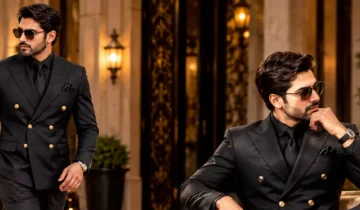
Think about the setting, the season, how often you expect to wear the suit and what is already in your wardrobe. If this is your first custom suit, versatility may matter more than a short-lived trend. A well-chosen navy or blue suit can often move between professional and social settings. A black suit may be right for particular formal occasions, while a tuxedo is designed for a more specific kind of eveningwear.
Tell your tailor what the suit is for. “I need a suit” is a starting point. “I need something for a close friend’s evening wedding in December, and I want to wear it again for formal dinners” is much more useful.
2. Understand What “Custom” Actually Means
The words used by the tailoring industry are not always used consistently. Some services adjust an existing pattern to your measurements and choices. Others develop a more individual pattern and may include a more involved sequence of fittings. Traditional bespoke tailoring generally involves a highly individual pattern-making process and additional hands-on development.
So do not choose on the label alone. Ask what the tailor actually does. Which measurements are taken? Is a pattern adapted or drafted for you? How many fittings are included? Which design choices can you make? What alterations can be handled before delivery? Clear answers tell you more than a fashionable term ever will.
The important question is not which word sounds most luxurious. It is whether the process, skill and service match what you expect to receive.
3. Fit Is a System, Not a Single Measurement
A chest measurement cannot tell the whole story of how a jacket will sit. Your posture, shoulder slope, chest shape, stance and preferred ease all affect the result. This is why a suit can fit in one area and still feel wrong overall.
Pay attention to the main points:
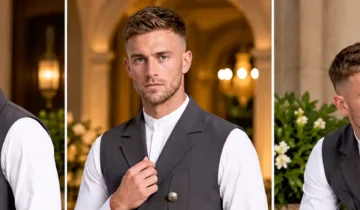
Shoulders: the jacket should sit cleanly without a visible dent, ridge or excess fabric at the edge.
- Chest and buttoning: the jacket should close comfortably without pulling or forming obvious strain lines.
- Collar: the jacket collar should rest neatly against the shirt collar rather than standing away from the neck.
- Sleeves: the length should work with your shirt and the jacket’s proportions.
- Trousers: the waistband should feel secure without relying on a belt to rescue the fit, and the leg should fall as intended.
- Movement: you should be able to sit, walk, reach forward and move your arms without the suit fighting you.
These are useful checks, not a substitute for an experienced eye. The aim is not to make the suit tight. It is to create a balanced shape that lets you move naturally and looks intentional from every angle.
4. Choose Fabric for Your Life, Not Just the Swatch
Fabric affects drape, texture, weight, breathability, wrinkle behaviour and care. Two fabrics in a similar colour can produce very different suits. One may hang with a crisp, formal line; another may feel lighter and more relaxed. Neither is automatically better. The right choice depends on how and where you will wear it.
When choosing suit fabric, ask about composition, weight, texture, seasonality and maintenance. Consider your city’s climate, whether you commute, how long you will wear the suit at a stretch and whether you can give it the care it needs. A fabric that looks striking under showroom lighting must still work in real life.
For a frequently worn work suit, practical versatility may be the priority. For wedding suits for men, the occasion may justify a richer texture or a more expressive finish. For travel, ask how the cloth is likely to handle packing and long hours. Do not be shy about asking to compare options side by side.
5. Know the Anatomy of a Suit
The overall look is shaped by more than the fabric and the measurements. Lapel style, button stance, pocket design, vents, lining, trouser cut and finishing details all contribute to the garment’s character. These elements should work together rather than compete for attention.
A wider lapel may create a different visual balance from a narrow one. The jacket length and button position influence how the torso appears. Pocket placement changes the lines of the front. The trouser rise and leg shape affect comfort as well as proportion. Your tailor should help you understand how these choices work together on your frame.
You do not need to memorise tailoring terminology before your appointment. Bring reference images if they help, explain what you like about them and ask what will translate well to your own build and occasion. A good consultation turns inspiration into a workable plan.
6. Be Clear About the Fit You Prefer
“Slim fit” can mean different things to different people. Some prefer a close, sharply shaped silhouette; others want more room through the chest, waist and thigh. Neither preference is wrong. The question is what looks balanced on you and feels comfortable through a full day.
Tell your tailor how you normally wear your clothes and what frustrates you about ready-made suits. Do jackets feel tight across your shoulders? Do trousers pull when you sit? Do you prefer a clean, close line or a little more ease? These details help your tailor understand not only your body, but also your expectations.
Do not confuse a close fit with a good fit. A suit should follow your shape without restricting you or distorting its own lines.
7. Understand Measurements and Fittings
Measurements are the beginning of the process, not the final guarantee. The first fitting, where included, helps reveal how the garment behaves when it is actually on your body. It is the moment to check balance, comfort, proportions and the details agreed during consultation.
Wear a shirt and footwear appropriate to the intended outfit when practical, and be ready to move naturally during the fitting. Sit down. Raise your arms. Button and unbutton the jacket. Tell the tailor where you feel pulling, restriction or excess room. Describe the issue rather than simply saying that something “feels off.”
Before ordering, confirm how many fittings are included, whether alterations are part of the price and how much time is needed for the complete process. Do not leave a custom suit until the last minute before a wedding or major event. Tailoring requires time, and a rushed timeline can limit the room available for adjustments.
8. Ordering Custom Suits Online? Check the Process
You do not have to live near a tailor to begin exploring custom suits. But when you order from a distance, clarity becomes especially important. Confirm how measurements are collected, whether guided instructions or assistance are available, which design choices you can specify and how the team will resolve questions before production.
Before placing the order, check the following:
- The measurement instructions are clear, and you know whether you need help from another person.
- Fabric, colour, style and customisation options are confirmed in writing.
- The expected production and delivery timeline is realistic for your event.
- You understand the alteration, exchange or fit-support policy before paying.
- You know whom to contact if you need guidance during the process.
For a wedding or important occasion, build in a buffer rather than planning around the final possible delivery date. Online convenience works best when expectations are clear on both sides.
9. Compare Value, Not Just Price
The price of a custom suit depends on factors such as the fabric, construction, design choices, labour, fitting process and service included. A higher price does not automatically guarantee a better result, and a lower price is not automatically a bargain.
Ask what the quoted price covers. Is it the full suit? Are fittings and alterations included? Are there additional charges for particular fabrics or details? What happens if an adjustment is needed? Comparing these points gives you a fairer picture than comparing two numbers without context.
A well-made suit should earn its place in your wardrobe through fit, usefulness and how confidently you wear it. Think about cost per wear, not just the amount paid on the day. The right choice is the one that meets your needs and expectations with no unpleasant surprises.
10. Questions to Ask Your Suit Tailor Before You Commit
A thoughtful tailor will welcome sensible questions. You are not expected to know every technical detail; you are expected to understand what you are buying.
- Which cut and fabric would you recommend for my occasion, climate and intended use—and why?
- How will you account for my posture and proportions?
- What choices can I make about lapels, pockets, buttons, lining and trousers?
- How many fittings are included, and what alterations can be made?
- What is the realistic completion and delivery timeline?
- What after-delivery fit support or alteration policy applies?
Listen not only to the answers, but to how they are given. Does the tailor take time to understand your needs? Are recommendations explained clearly? Are timelines and costs transparent? Confidence grows when the process feels considered rather than hurried.
The Best Custom Suit Is the One That Works for You
Choosing a custom suit does not have to be complicated. Start with the occasion, understand the process, choose a fabric that suits your life and give fit the attention it deserves. Be clear about your preferences, make time for fittings and ask questions before committing.
The details matter, but they should serve a larger purpose: helping you look composed, feel comfortable and show up as yourself. A suit is not simply something you put on for a photograph. It is something you live in through conversations, celebrations, long days and important moments.
At New Wear Well, men’s custom tailoring has been part of the story since 1885. That legacy is carried forward through an enduring respect for craftsmanship, personal style and the details that make a garment feel right for the person wearing it. From Abohar, NWW brings that tradition to men looking for considered custom tailoring across India.
New Wear Well. Men’s custom tailoring since 1885.
RULE THE HEARTS.

 No products in the cart.