

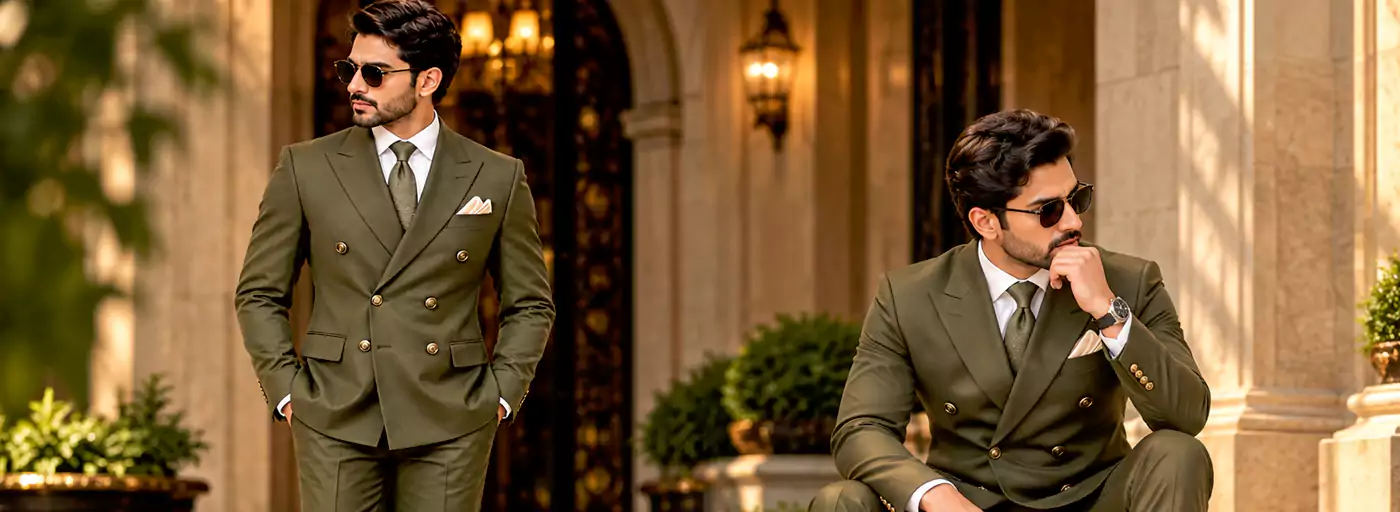
You know the kind. The suit that looks impressive on the hanger but somehow looks like it belongs to someone else the moment you put it on. The shoulders sit awkwardly. The sleeves swallow your hands. The jacket pulls when you button it. The trousers bunch where they should fall cleanly. And in every photograph, something feels… off.
That is a howler. Not because the suit is loud, or the colour is daring, but because the fit is doing you no favours.
Your suit should never be the first thing people notice for the wrong reasons. They should notice the way you carry yourself. The ease in your movement. The quiet confidence of a man who looks like he belongs exactly where he is.
That is the difference custom suits can make. They begin with you—not with a standard size, a trend, or a mannequin.
A Suit Is Not a Size. It Is a Set of Decisions.
Off-the-rack sizing starts with an assumption: that your shoulders, chest, waist, arms and legs will fit neatly into a predetermined set of proportions. Sometimes they do. Often, one part fits while another compromises. You buy for the shoulders and the waist is loose. You find the right chest and the sleeves are too long. You size up for comfort and the jacket loses its shape.
Custom tailoring changes the starting point. Instead of asking you to adapt to the suit, the tailor studies your measurements, posture, build, preferences and purpose. The result is not simply a smaller or larger version of a ready-made garment. It is a suit planned around the person who will wear it.
That is why custom suits for men are worth considering when the occasion matters, when fit has been a recurring frustration, or when you want your clothes to feel unmistakably your own.
The First Rule of a Great Suit: Get the Fit Right.
Before fabric, colour or buttons, get the fit right. A good suit should frame your body without fighting it. The jacket should sit cleanly across the shoulders, close comfortably when buttoned and allow you to move without strain. The collar should rest neatly against the shirt collar. Sleeves should reveal an appropriate amount of shirt cuff. Trousers should fall cleanly, with a break that suits the cut and your preference.
No single measurement tells the whole story. Posture, shoulder slope, chest shape and the way you stand can all affect how a jacket hangs. That is where an experienced tailor earns their place: by seeing what a measuring tape alone cannot explain.
The goal is not to make you look like somebody else. It is to bring balance to your own proportions. A well-fitted suit does not need to shout. It simply looks right.
Fabric: The Feel of the Suit Before the First Compliment
Fabric determines how a suit feels, drapes and performs through the day. It affects the way the jacket moves, how the trousers fall, how the garment responds to warmth and how formal the finished look feels.
When choosing custom suits, think about where and how you will wear them. A suit for frequent office use may call for versatility and resilience. A wedding suit may allow for a richer texture or a more distinctive finish. A suit intended for travel should be chosen with comfort and practical care in mind.
Ask to understand the fabric’s composition, weight, texture, drape and care requirements. Do not choose a cloth only because it looks luxurious under showroom lights. It should work for your climate, your schedule and the way you actually live.
A good tailor will help you make an informed choice—not simply push you towards the most expensive option.
Colour Has a Job to Do. Choose Yours.
A suit colour should earn its place in your wardrobe. Think about the settings you attend, the shirts and shoes you already own, and whether this will be your first serious suit or the next addition to a considered collection.
The Blue Suit: The Most Versatile Starting Point
A blue suit can move comfortably between business meetings, celebrations, dinners and many wedding functions. Navy tends to feel formal and dependable; lighter blues can look more relaxed and contemporary. The right shade depends on the occasion, the fabric and how you plan to style it.
If you want one of the best suits for men in terms of everyday versatility, a well-cut blue suit is a strong place to begin. Keep the shirt crisp, the shoes appropriate and the accessories considered. Let the fit do the talking.
The Black Suit: Sharp, Formal and Unforgiving
A black suit carries a strong visual presence. It can work beautifully for certain evening events and formal occasions, but it is not automatically the right answer for every event. The cut, fabric and dress code matter.
Black also leaves little room for a careless fit: proportions and finishing details are easy to notice. If you are choosing a black suit, pay attention to the shoulder line, jacket length, trouser break and the overall balance of the outfit.
Wedding Suits for Men: Make the Occasion Yours
A wedding invitation brings its own questions. Are you the groom, part of the wedding party, or a guest? Is the event a daytime ceremony, a formal evening reception, or a celebration that moves between both? Will you be standing under lights, sitting through long rituals, dancing, travelling—or doing all four?
Wedding suits for men should answer those questions before they answer a trend. The groom may want a distinctive look that feels personal and photographs well. A guest may need something elegant without competing with the occasion. A family member may value comfort as much as formality.
Custom tailoring lets you work through the details: colour, lapel style, button stance, pockets, lining, trouser shape and finishing. It also gives you the opportunity to consider how the suit will feel after hours of wear, not just during a quick fitting.
The best wedding suit is not necessarily the most elaborate one. It is the one that suits the occasion, fits properly and still feels like you.
And What About a Tuxedo?
A tuxedo is not simply a black suit with a different name. It is eveningwear with its own conventions, typically distinguished by details such as satin or silk-faced lapels and a more formal styling approach. The invitation’s dress code should guide your choice.
If the occasion calls for a tuxedo, pay attention to the complete look: jacket, trousers, shirt, bow tie and shoes. Fit remains essential, but so does respecting the formality of the event. A carefully tailored tuxedo should look deliberate, not improvised.
Custom, Made-to-Measure and Bespoke: Know What You Are Asking For
The terms used in tailoring can overlap, so ask the tailor to explain the actual process rather than relying on labels alone. Custom or made-to-measure services generally adapt a garment pattern to a customer’s measurements and choices, while traditional bespoke tailoring typically involves a more individually developed pattern and a more extensive fitting process.
What matters is clarity: what measurements are taken, what design choices are available, how many fittings are included, what alterations are possible and what the delivery timeline looks like. The word ‘bespoke’ is not a substitute for understanding the work being done.
How to Choose the Right Suit Tailor
The best suit tailors do more than take measurements. They listen, ask useful questions and explain the trade-offs behind their recommendations. They want to know where you will wear the suit, what you want it to communicate and how you prefer your clothes to feel.
Before you place an order, look for a few things:
- A clear discussion of fit, posture and proportions—not just chest and waist measurements.
- Fabric options explained in terms of use, comfort, drape and care.
- A transparent account of the tailoring process, fittings, alterations and timelines.
- Attention to finishing: lapels, button stance, pockets, lining, seams and trouser shape.
- A willingness to guide you without pushing you into a style that does not suit you.
Ask questions. Try the garment on. Move your arms, sit down, stand up and button the jacket. A suit is made to be worn, not merely admired on a hanger.
The Details That Separate ‘Fine’ from ‘That Looks Good on You’
Once the essentials are right, the details bring the suit into focus. Lapel width and shape affect the jacket’s character. Button stance influences the visual balance of the torso. Pocket placement, lining, vents and trouser design contribute to both appearance and comfort.
These choices should work together rather than compete for attention. A statement lining is enjoyable when it feels personal. A distinctive lapel can be effective when it suits the jacket and wearer. But details cannot rescue poor fit. Get the foundations right, then make the suit yours.
The Real Test: Can You Forget You Are Wearing It?
A great suit should support the day rather than interrupt it. You should be able to greet people, sit through a long meeting, walk into a room, raise a glass or take to the dance floor without constantly tugging at the jacket.
That ease is not an accident. It comes from considered measurements, suitable fabric, sound construction and a fit that respects your proportions. It is also why the cheapest option is not always the best value—and why the most expensive fabric cannot, by itself, guarantee a great suit.
When comparing custom suits, look beyond the price tag. Understand what is included, how the garment will be made, what adjustments are possible and whether the finished suit will serve the occasions you have in mind.
Your Next Suit Should Not Be a Howler.
You do not need a wardrobe full of suits. You need the right suits: pieces that fit the way they should, work for the occasions you attend and reflect the person wearing them.
Start with the purpose. Choose the fabric thoughtfully. Get the proportions right. Ask the questions that matter. And work with a tailor who understands that the job is not to make a suit fit a standard—it is to make the suit work for you.
If you are considering custom suits for men, explore the options at New Wear Well and choose a direction that suits your style, your occasion and your expectations. The right suit should never make you feel as though you are wearing somebody else’s decisions.
Since 1885, New Wear Well has carried forward a tradition of men’s custom tailoring—shaped by craftsmanship, attention to detail and the belief that a well-made garment should do more than dress you. It should help you present yourself with confidence.
New Wear Well. Men’s custom tailoring since 1885.
RULE THE HEARTS.
 No products in the cart.